Dispatchers
Calm Voice. Racing Heart. Empty Chair.
When most people picture a first responder, they picture the person arriving on scene — the police officer, firefighter, or paramedic. But before any of them get there, someone answers the call. Dispatchers and 911 telecommunicators are often the first point of contact during an emergency. They hear the panic before anyone sees it. And through all of it, they're expected to remain calm, gather accurate information, coordinate resources, and move on to the next call.
Calm Voice. Racing Heart.
A dispatcher can sound completely controlled while their body is doing something very different. A high-acuity call can activate the same survival response we associate with being physically present during an emergency. The problem is what happens when the crisis ends — dispatch may disconnect from one traumatic call and immediately hear, “911, what's the address of your emergency?” There isn't always time to process what just happened.
A 2025 federal systematic review found meaningful rates of depression, secondary traumatic stress, acute stress, alcohol misuse, suicidal thoughts, and burnout among emergency telecommunicators.
Then There’s the Empty Chair
911 centers across the country continue to struggle with recruiting and retaining telecommunicators. When a center is short-staffed, the calls don’t stop — someone works overtime, sleep gets disrupted, family time gets pushed aside. More stress leads to less recovery, which leads to burnout, turnover, fewer dispatchers, and more overtime for those who remain.
When the Three Collide
This is where trauma, physiology, and staffing become difficult to separate. None of this means someone isn’t capable of doing the job — many dispatchers become extraordinarily good at functioning under pressure. That’s part of what can make recognizing a problem difficult.
Keeping the Person in the Chair
We talk a lot about recruiting new dispatchers. We also need to talk about keeping the experienced ones healthy enough to stay — peer support, leadership, adequate time away from work, sleep, and access to mental health support from professionals who understand first responder culture.
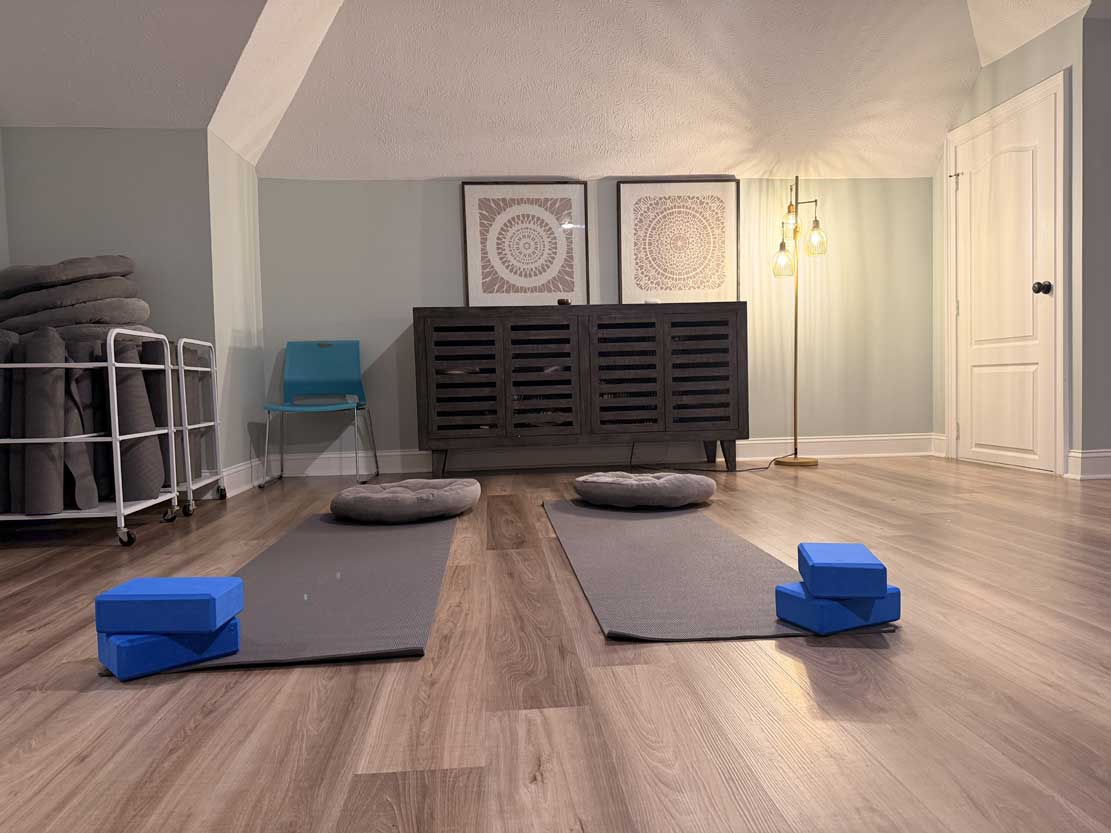
At GRIT at Magnolia Meadows, dispatchers are part of the first responder community we serve. Residential treatment and PHP with supportive living can provide something particularly difficult to find inside a busy communication center: time away from the console — time to sleep, to process, and to build healthier ways of managing what comes with the job.
Magnolia Meadows
Writing on trauma, service, and recovery.