
Addiction Treatment for First Responders and Veterans
A drink to come down after a shift. A pill to get a few hours of sleep. It adds up quietly, until it isn't quiet anymore. If the job handed you the stress and the substance became the way you managed it, we treat both — together, not separately.
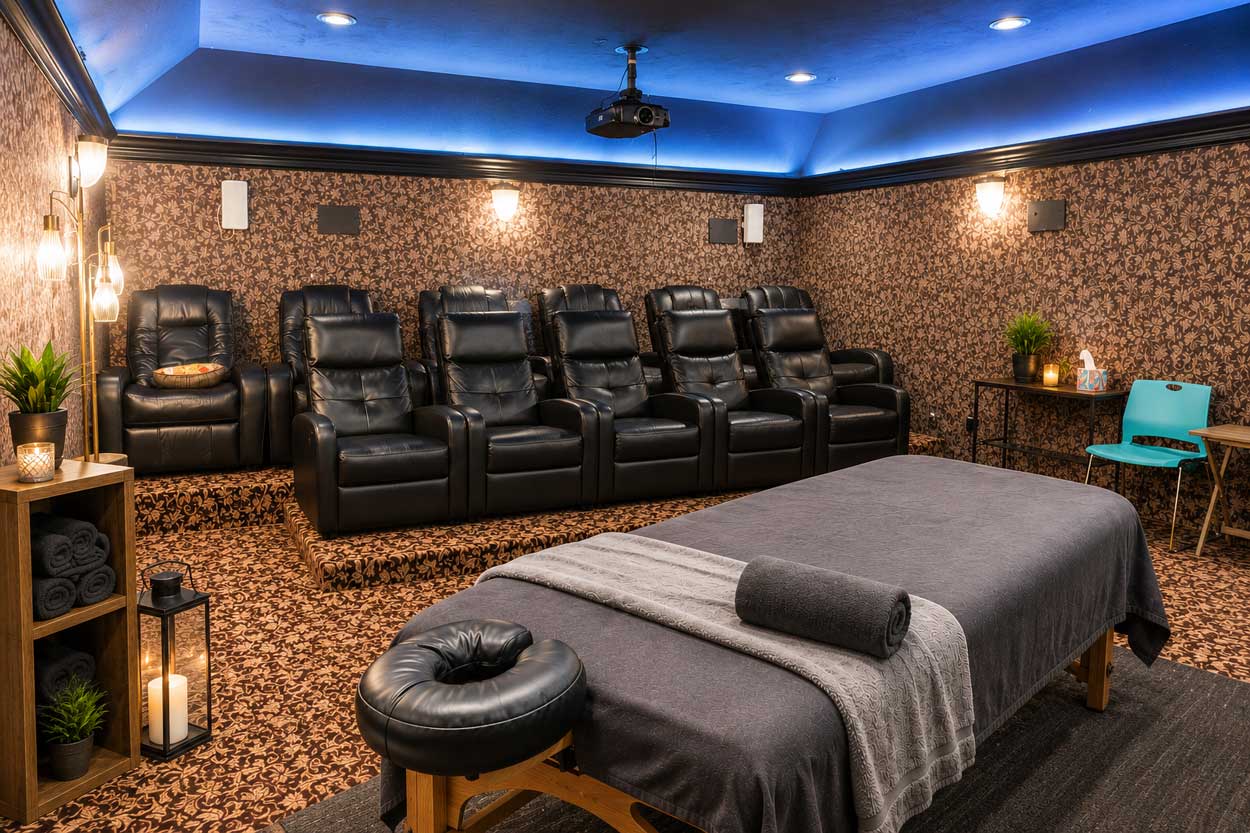
Magnolia Meadows is a residential treatment center in Waverly, Tennessee, built exclusively for first responders and military veterans. Substance use in this population rarely shows up on its own — it's almost always tangled up with the stress, trauma, and hypervigilance the job leaves behind. We treat the whole picture.
Why substance use and service are so often connected
First responders and veterans face chronic exposure to trauma, irregular sleep, physical pain, and a culture that discourages asking for help. Alcohol and prescription medication are often the first tools reached for — not because of weak willpower, but because they work, for a while. Over time the thing that helped you cope becomes its own problem on top of the one it was covering up.
Treating the substance use without treating the trauma underneath it rarely holds. That's why our program addresses both from day one, with clinicians trained in this population's specific culture and risk factors.
Evidence-based therapies for substance use and the trauma behind it
Motivational Enhancement Therapy
Builds motivation to change by exploring and resolving ambivalence — especially helpful when recovery efforts feel stuck.
Relapse Prevention
Identifies mental-health and substance-use triggers and builds coping skills, support systems, and strategies to maintain gains after treatment.
Cognitive Processing Therapy (CPT)
Addresses the trauma that often sits underneath substance use — the beliefs it leaves behind about safety, trust, and control.
EMDR
Processes the traumatic memories that substance use was often masking, reducing their emotional charge.
Peer Support Groups
Mutual-aid and peer-led groups connecting you with others who share your service background and experience.
Family Therapy & Reintegration
Sessions that prepare the people at home for recovery — and for coming back.
What residential treatment looks like
Our program is fully residential — you live on campus for the full length of treatment, away from the environments and routines tied to substance use. That distance is often what makes real change possible for the first time.
Our Waverly, Tennessee campus is private and secure, with a peer community made up entirely of people who have carried a badge, worn a uniform, or served. You're not explaining the job to anyone here. Our program is Joint Commission accredited and LegitScript certified — the same standards hospitals are held to.
Who this program is for
- Law enforcement officers, firefighters, EMTs & paramedics
- Dispatchers and communications personnel
- Military veterans and active-duty service members
Signs it might be time
- Drinking or medication use that has increased to manage stress, sleep, or pain
- Using to get through a shift, or to come down after one
- Family, friends, or coworkers have raised a concern
Does insurance cover addiction treatment?
Most commercial insurance plans, Workers' Comp, and in-network VA Community Care (CCN) benefits cover residential addiction treatment. Our admissions team will verify your coverage before you arrive.
Frequently Asked Questions
Do I have to be a daily drinker or user to need treatment?
No. Treatment may be needed once use starts affecting daily life, work, health, or relationships — not only once it becomes daily.
Do you treat substance use without a PTSD diagnosis?
Yes. We are equipped to treat primary mental health, primary substance use, or both. You do not need a trauma diagnosis to come to Magnolia Meadows for substance use treatment.
Will treatment affect my job?
Treatment records are protected under HIPAA. We work with you on documentation for employers when you want it shared — never without your say-so.
What happens after I complete treatment?
You'll leave with a discharge plan, outpatient referrals, and access to our alumni peer network, including volunteer alumni who stay connected after discharge.
How do I get started?
Call 931-465-2658 or visit our contact page. Our admissions team is available to answer your questions, verify insurance, and walk you through what to expect.
The job taught you to push through.
This is the one thing worth stopping for.